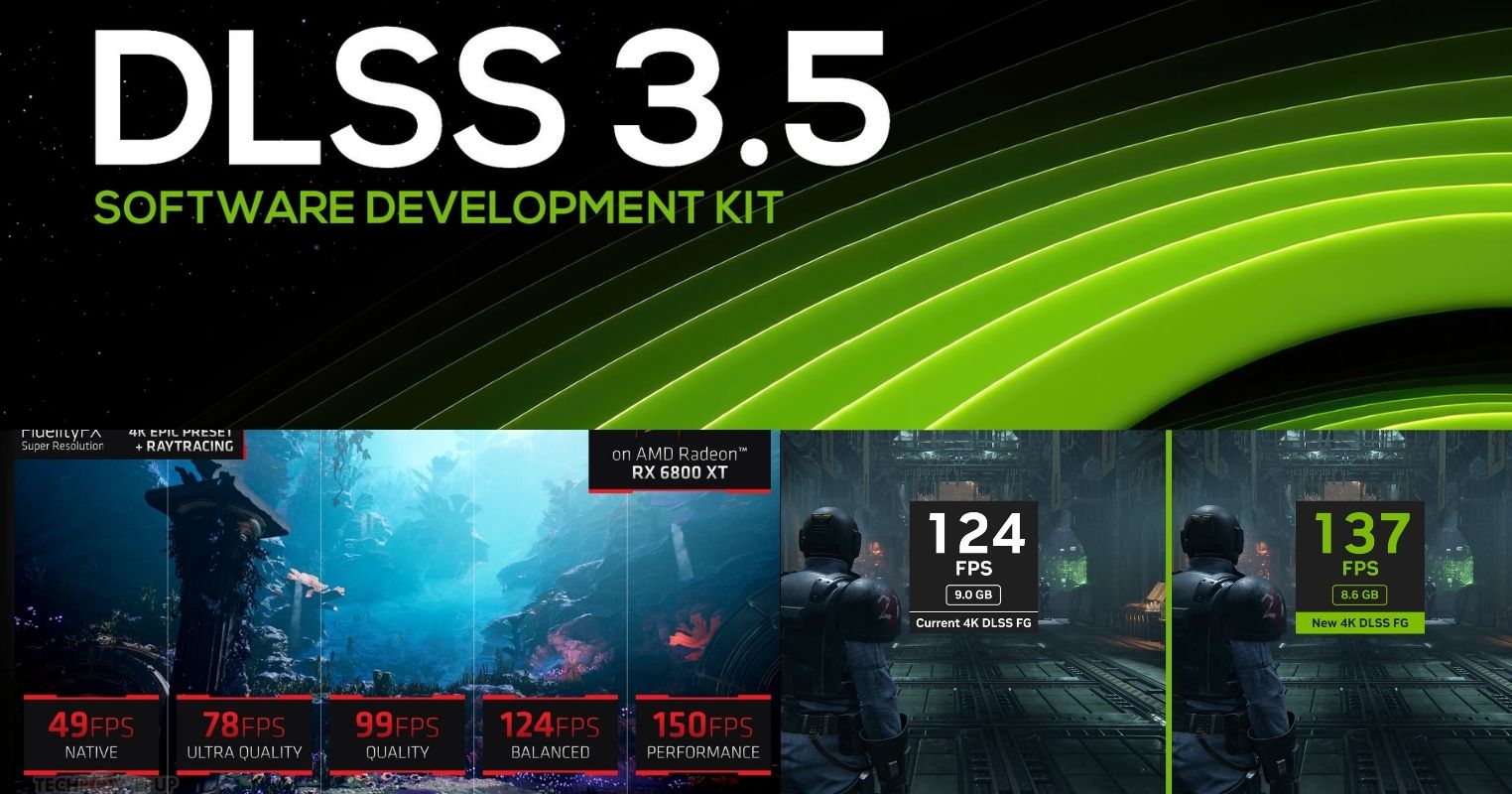

Key Takeaways
● DLSS and FSR maximize performance without sacrificing quality.
● Ideal for games with Ray tracing or high-end graphics like 4K.
● Ensures smooth performance in variety of systems and keep the game relevant longer
● Makes high end visuals accessible even on mid-range or older hardware.
In 2025, every game needs DLSS or FSR because these technologies allow players to enjoy high quality graphics with smoother performance. DLSS uses AI for smarter upscaling while FSR works almost across all GPUs making modern gaming faster.
THE NEED FOR SPEED – WITHOUT LOOSING QUALITY
Modern games demand high performance especially with features like ray tracing, open worlds, and 4k textures. DLSS and FSR help deliver higher frame rates while keeping the visuals sharp and detailed. Gamers no longer have to choose between beauty and smoothness – they can have both. These upscaling technologies render the game at lower resolution and then smartly upscale it to look like a high resolution.
SMARTER GRAPHICS WITH AI: THE POWER OF DLSS
DLSS is more than just a performance booster, it’s an AI driven revolution in gaming visuals. It uses deep learning and AI to upscale lower resolution images into stunning visuals – often making the game look even better than native resolution. With DLSS 3 and newer versions, NVIDIA has introduced frame generation using AI, which means the technology can actually create entirely new frames to further improve smoothness. This is especially valuable in fast paced games where every frame counts.
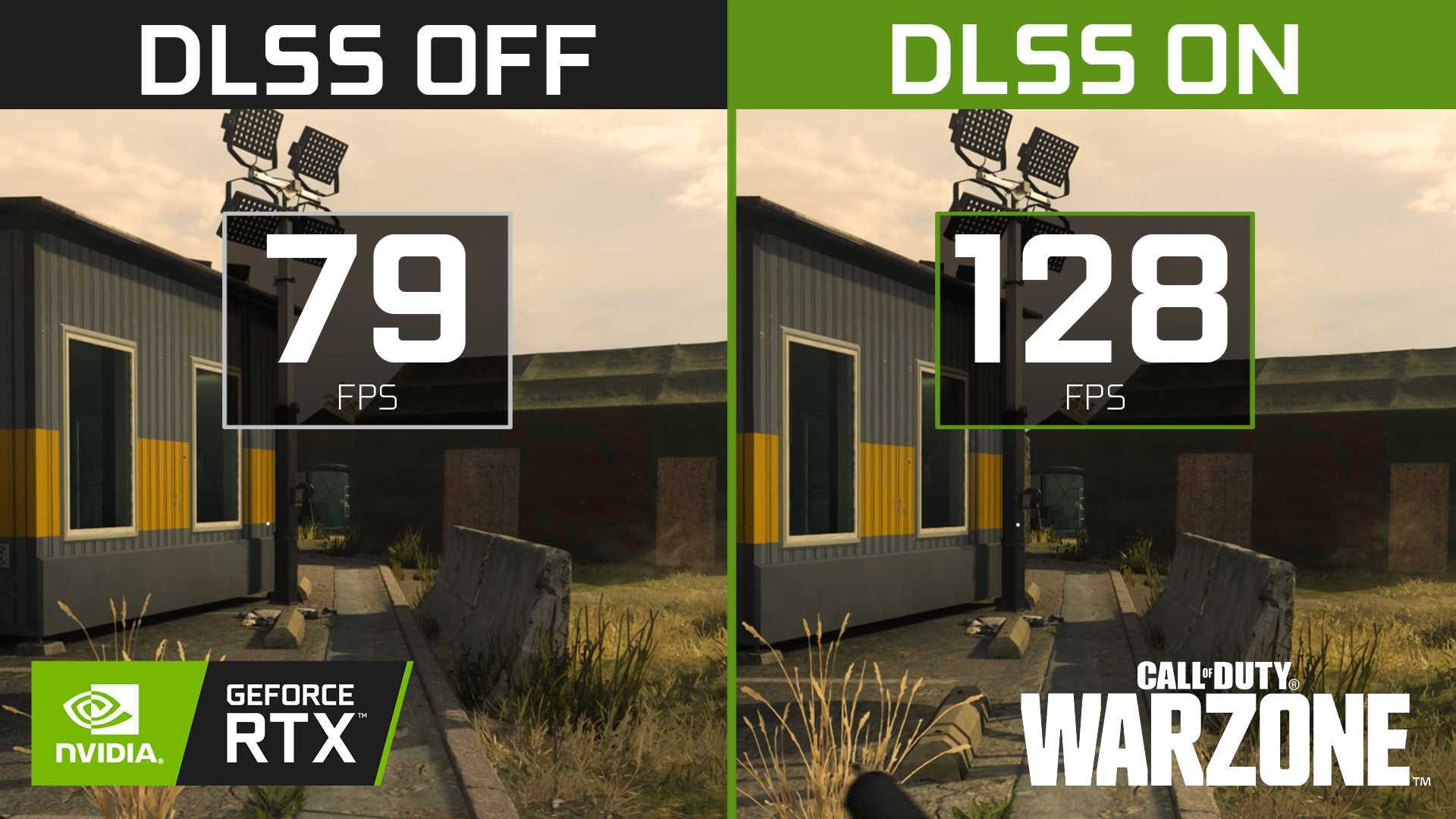
Nvidia DLSS on vs off: Image by [Nvidia]
FSR: FLEXIBLE AND WIDELY SUPPORTED
Unlike DLSS which requires NVIDIA RTX GPUs, AMD’s FSR works on almost all modern graphics cards, including integrated GPUs. This makes it the go-to option for gamers with mid-range or older systems, offering improved performance without needing expensive hardware upgrades.
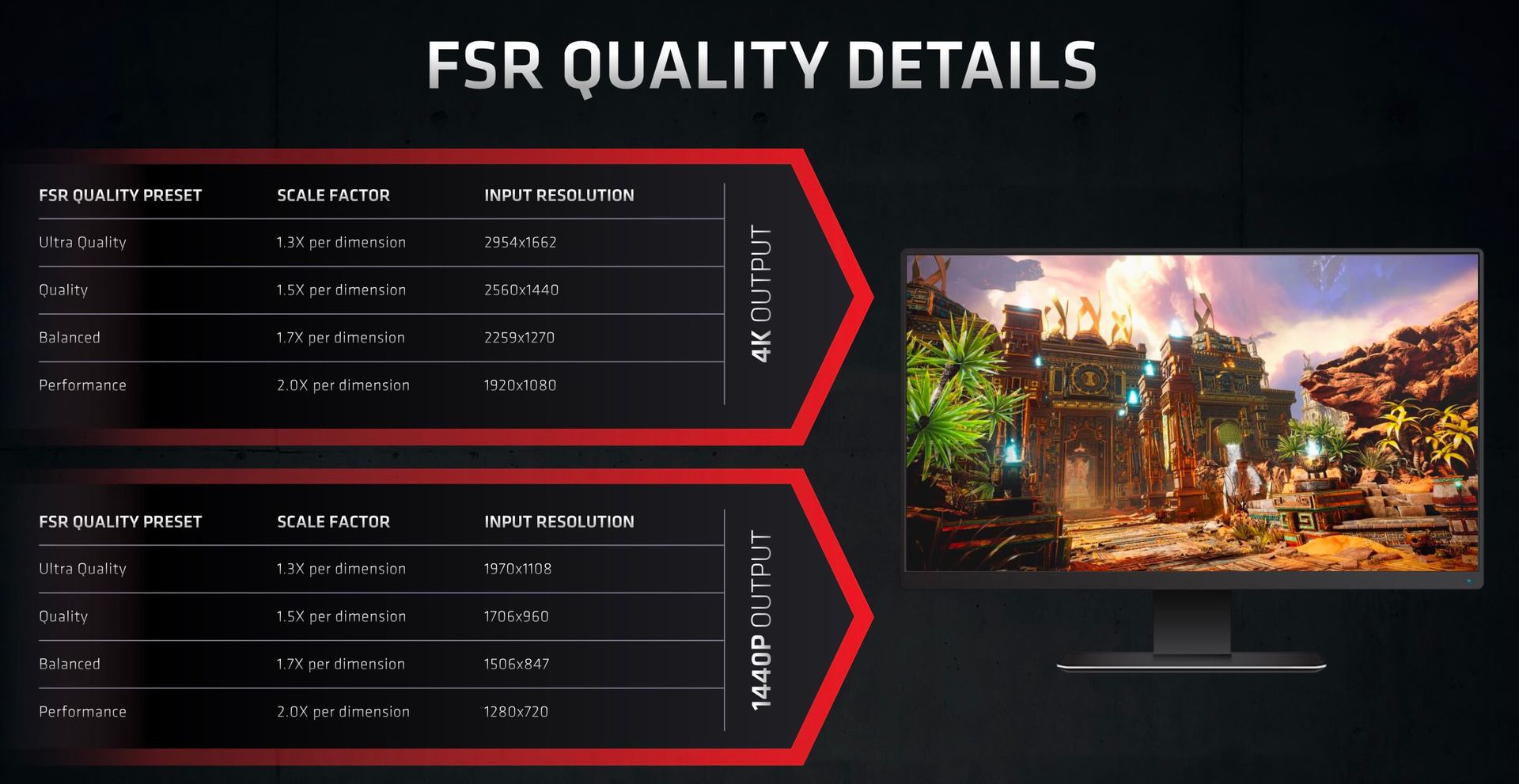
AMD FSR Quality Details: Image By [PC Gamer]
HOW DLSS AND FSR MAKE HIGH END PERFORMANCE ACCESIBLE
Not every gamer has access to the latest, most powerful hardware and that’s where DLSS and FSR truly shine. These technologies help bridge the gap between expensive setups and budget systems by dramatically improving frame rates without sacrificing visual quality. Whether you’re using an RTX 4060, an older GTX card, or an integrated AMD chip, DLSS and FSR unlock smoother gameplay and sharper graphics across a wide range of systems.
● Render games at lower resolution and upscale to look like high resolution.
● Even mid-range or older GPUs can achieve smooth gameplay without upgrading expensive hardware.
● DLSS 3 and FSR 3 can create additional frames, making games feel smoother even on limited hardware.
● Players enjoy high graphics settings and ray tracing without major frame drops and without sacrificing quality.
Future-Proofing Games: Why DLSS and FSR Are Now Essential for Developers
In the evolving world of game development, optimizing for DLSS and FSR is no longer optional it’s a smart necessity. With players using a wide range of hardware, from ultra high-end GPUs to older systems and gaming laptops, developers need to ensure their games run smoothly for everyone. By integrating DLSS and FSR, studios can offer scalable performance, better visual quality, and longer relevance for their titles in a competitive market.

DLSS 3 – Image By [Pinterest]
CONCLUSION
As games continue to evolve in size, complexity, and graphical realism, performance technologies like DLSS and FSR have become more than just optional features, they’re essential. They empower gamers with smoother experiences, stunning visuals, and better frame rates without the need for expensive hardware upgrades.
Whether powered by NVIDIA’s AI-driven DLSS or AMD’s accessible FSR, these tools ensure that no player is left behind. In 2025 and beyond, the expectation is clear: games should be optimized, scalable, and enjoyable for everyone. DLSS and FSR are not just performance solutions-they are the foundation of inclusive, next-generation gaming.