Key Takeaways
- No code game development is easy access.
- Anyone can become a no code game developer all it takes is a touch of imagination.
- Platforms such as Minecraft, GDevelop and Core let gamers create small indie games easily.
Game development today isn’t limited to experts fluent in programming languages like C++ or engines like Unity. Thanks to no-code platforms, gamers themselves are stepping into the role of game creators. You no longer need technical skills—just creativity and an idea.
What Are No-Code Game Tools?
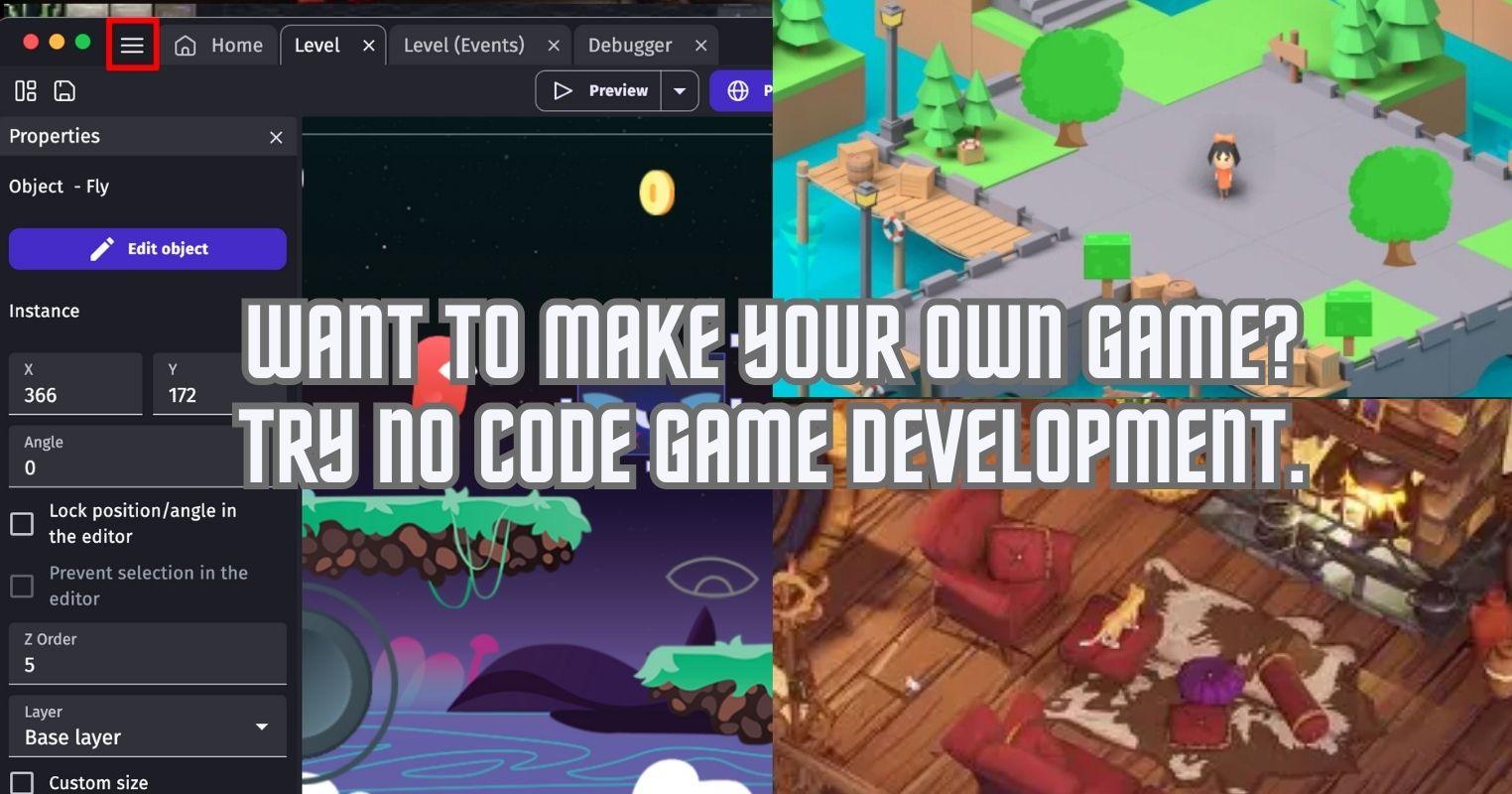
No-code game creation tools allow users to design, build, and publish games using drag-and-drop systems instead of writing code. These platforms use visual editors, logic blocks, and pre-made assets to simplify game development. Tools like Roblox Studio, GDevelop, Construct 3, and Core let anyone create 2D platformers, multiplayer experiences, and more.
The shift to no code game development isn’t just about accessibility, it’s about passion. Gamers already think like designers, imagining ways to improve gameplay, balance challenges, and build immersive worlds. Additionally, tools like Blockbench, RPG Maker, and Roblox now help players bring those ideas to life. Millions of players enjoy games built by other gamers, showing how easy the leap from player to creator has become.
Building Games and Careers
Platforms such as Roblox and Core don’t just offer a space to build games. They also provide built-in systems for creators to earn real income. Developers can generate revenue in several ways:
- Game Sales: Creators can charge players to access their games or specific experiences within them.
- In-Game Purchases: Through virtual items, skins, power-ups, or special features, creators can offer players extra content for a fee.
- User Engagement: Some platforms reward creators based on how much time players spend in their games or how popular their creations become.
What often starts as a hobby can grow into something much bigger. Successful creators have turned these projects into steady side incomes, full-time careers, or even independent studios with full teams.
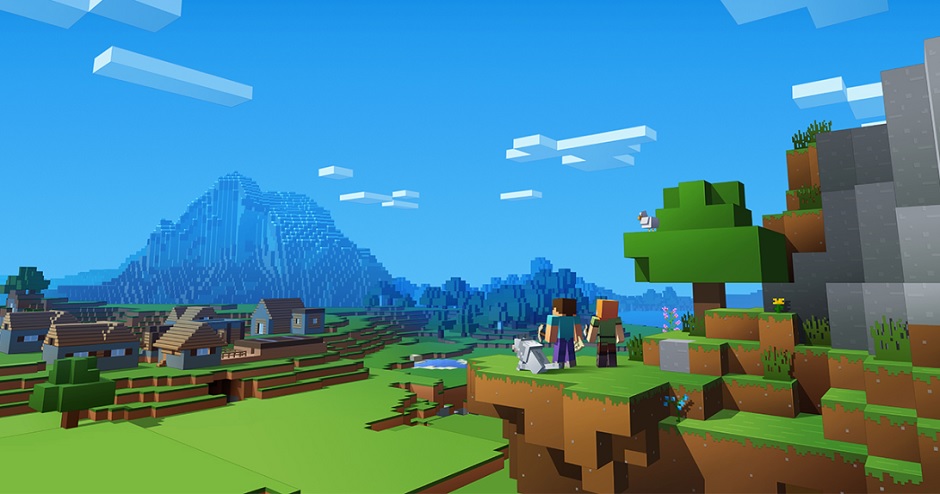
Minecraft World Building – Image by (GameTyrant)
This trend ties directly into the broader creator economy, where individuals make a living through digital content, from videos to artwork to software. With platforms like Roblox and Core, game development now joins that ecosystem, allowing creators to work independently without needing a big company or publisher backing them.
Unlocking Creativity Through Simplicity
One of the major advantages of no-code game development tools is their accessibility. They simplify complex processes and make it easier for anyone to get started, regardless of technical background. Beginners aren’t left figuring things out from scratch. Instead, they have access to:
- Pre-built Templates: These offer ready-made game structures such as platformers, puzzle games, or shooters. A new creator can select a template, customize it, and have a playable game in a matter of hours.
- Step-by-Step Tutorials: Many platforms provide detailed guides that walk users through everything from basic controls to advanced features. This reduces the learning curve significantly.
- Asset Libraries: No need to design every character or background from zero. Creators can access libraries filled with graphics, sound effects, and animations to personalize their projects.
For hobbyists and solo developers, this speed and ease of use is invaluable. It allows quick prototyping. Testing out an idea without needing weeks or months of coding. Creators can experiment freely, focusing on gameplay and creativity rather than getting stuck on technical issues.
Games like Wandering Cat, developed by a single individual, highlight the real-world impact of these tools. Despite being a small, niche project, it found an audience and became a success in its own right. This shows that with the right tools and vision, even small-scale, personal projects have the potential to stand out in today’s gaming landscape.
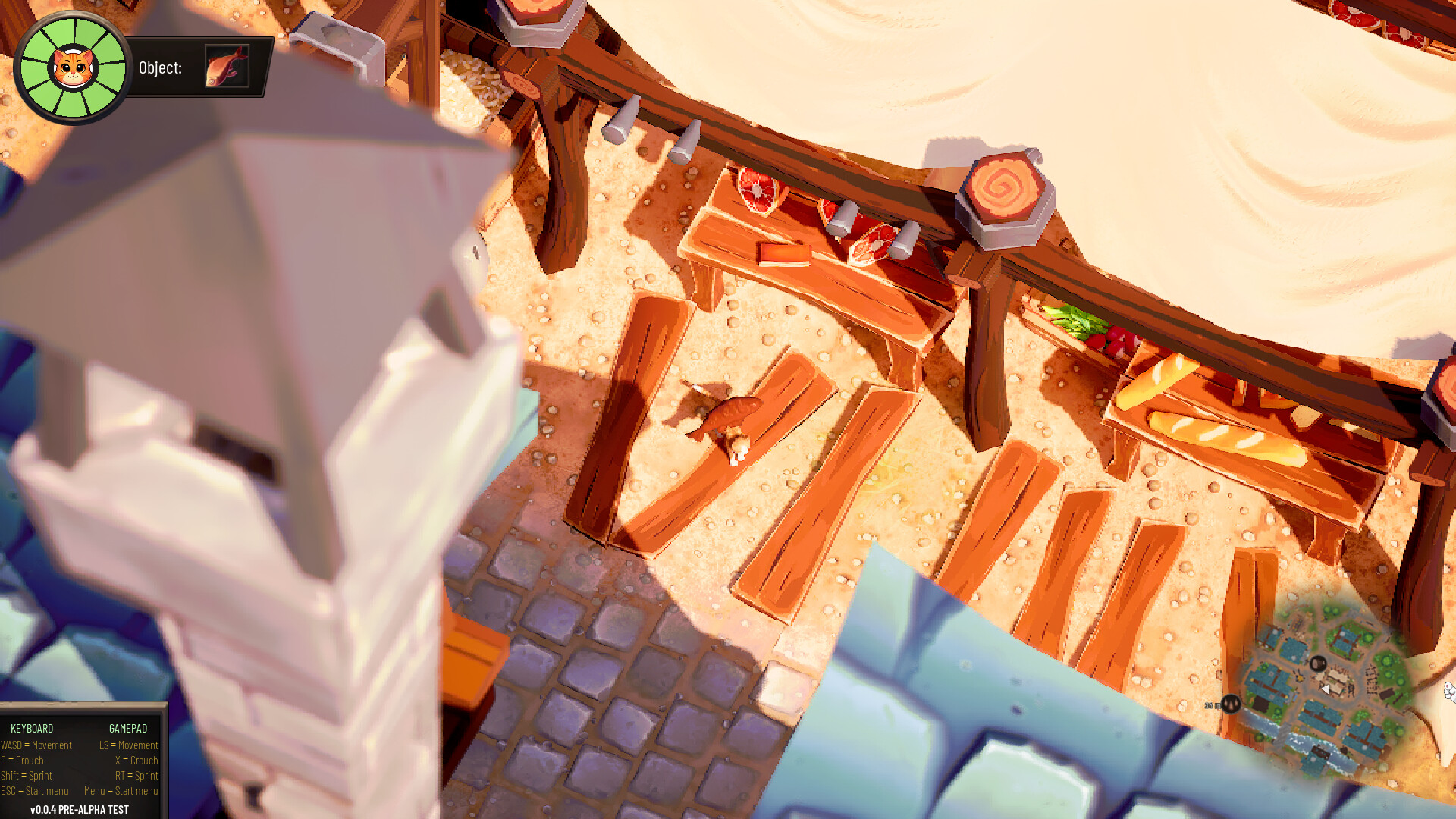
Wandering Cat – Image by (Steam)
How AI Is Expanding No-Code Game Development
Artificial Intelligence is making no-code creation even more powerful. AI tools now help generate game logic, assets, and animations using simple text prompts. For example, Unity’s Muse allows users to type something like “create a boss that chases the player,” and the AI builds that behavior automatically. This makes the process faster and easier for non-coders.
Conclusion
As no-code tools improve, the idea of who can create games is rapidly changing. Game development is no longer just for experienced coders; it’s now open to anyone with an idea. It’s more inclusive, community-driven, and creativity-focused than ever before.
From Roblox to Construct 3, from Minecraft world-building to AI-assisted design, today’s tools show that anyone can build, share, and even profit from their own games. Whether as a side hustle or a creative outlet, no-code platforms have made game development a natural part of modern gaming culture.