Why Low-Spec Indie Horror Games Are Dominating Steam in 2025
In an age where photorealistic graphics and AAA budgets are common, a surprising subgenre is making massive waves on Steam: low-spec indie horror games. These lightweight, often pixelated or retro-styled experiences are climbing the charts—and players can’t get enough. But what’s behind this unexpected trend?
The Low Barrier to Entry
One of the biggest driving factors behind the popularity of low-spec horror games is accessibility. Not every gamer owns a high-end GPU or a next-gen console. Low-spec games run smoothly on almost any machine, from budget laptops to older desktops. Steam’s player base is global, and many regions prioritize affordability and hardware longevity. This makes lightweight games more attractive to a wider audience.
SEO keywords: low-spec horror games, Steam horror games 2025, indie horror game trends
A Perfect Match for the Horror Genre
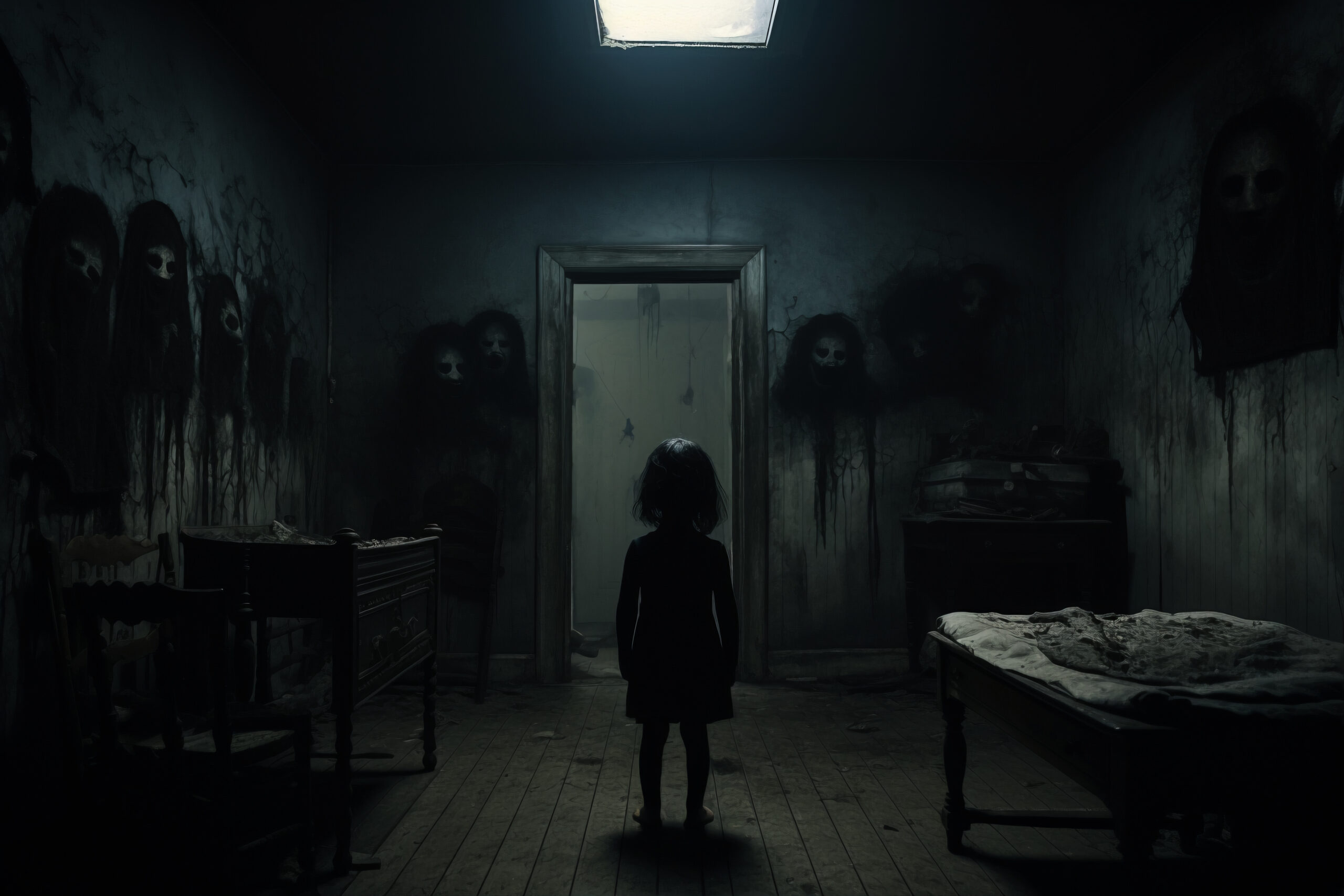
Interestingly, horror doesn’t always benefit from high fidelity. In fact, many argue that minimalist graphics and lo-fi audio enhance the atmosphere. Think about the unsettling pixelated worlds of No Players Online or the grainy VHS filters in The Building 71 Incident. These visuals evoke a nostalgic, dreamlike unease that often feels scarier than detailed realism.
Popular titles like Fear the Spotlight, Paratopic, and Iron Lung leverage this style masterfully. These games are crafted with precision and intention—using limitations as a storytelling tool.
Streamer-Friendly Format
Twitch and YouTube have become breeding grounds for indie horror games. Low-spec titles are quick to download, easy to run, and often short enough to complete in one sitting—perfect for content creators. Streamers love the unpredictable jump scares and creepy narratives, while viewers enjoy watching raw, unscripted reactions.
Titles like Fears to Fathom, The Coffin of Andy and Leyley, and Dredge Haunting gained massive exposure through viral clips and “Let’s Play” videos. In many cases, this virality catapulted unknown developers to sudden success.
SEO keywords: streamer horror games, YouTube indie horror, best horror games for Twitch
Solo Devs and Artistic Freedom
The resurgence of low-spec horror is also fueled by passionate solo developers or small indie teams. Tools like Unity and Godot allow creators to prototype quickly without large budgets. Without publisher pressure, these developers experiment with unique mechanics, disturbing narratives, and unconventional formats.
Consider the success of Amanda the Adventurer, a game with unsettling Dora-like characters, or Stay Out of the House, a slasher homage to 80s horror. These aren’t just games—they’re artistic statements that thrive outside the AAA formula.
Community and Curation on Steam
Steam’s algorithm has been increasingly favorable to niche indie games. Its recommendation system surfaces hidden gems, while active communities in forums and Reddit threads boost visibility. Events like Steam’s Next Fest and indie horror bundles provide direct access to curated collections of spooky content—further accelerating the genre’s reach.
Where It’s Headed
With the growing interest in analog horror, liminal spaces, and nostalgia-fueled dread, low-spec horror games are likely to keep gaining traction. As long as developers continue to prioritize atmosphere, storytelling, and creativity, players will keep choosing chills over photorealism.
Expect to see more psychological narratives, local legends turned into digital nightmares, and surreal visuals that linger long after the screen goes black.
Conclusion
In 2025, the horror genre is no longer defined by budget, but by bold design choices and emotional impact. Low-spec indie horror games prove that you don’t need ray tracing to feel fear—you just need a good story, a haunting soundtrack, and the courage to step into the dark.